Cheap Dedicated Server Hosting in 35+ Global Locations
Deploy an affordable dedicated server with complete hardware control, flexible configurations, and infrastructure designed for businesses, developers, agencies, and IT teams.
Host websites, applications, databases, ecommerce platforms, SaaS products, game servers, and other workloads that require dedicated physical resources.
Affordable Dedicated Servers Without Shared Resources
A dedicated server gives you an entire physical machine for your applications and services.
Unlike shared hosting, where multiple users share the same server environment, dedicated hosting provides exclusive access to the server’s hardware resources.
This makes dedicated servers suitable for projects that need more control, customization, and predictable resource availability than shared hosting or VPS solutions.
How Do You Choose the Right Managed Dedicated Server Plan?
Choose a configuration by matching the processor, RAM, storage type, bandwidth, server location and management coverage to your workload. High-traffic websites may require stronger CPU and NVMe performance, while databases and business applications often need more memory, redundant storage and suitable backup options. Compare the plans below to find the right balance of performance, support and scalability.
USA
Dedicated Servers Hosting
UK
Dedicated Servers Hosting
Ukraine
Dedicated Servers Hosting
UAE
Dedicated Servers Hosting
Turkey
Dedicated Servers Hosting
Thailand
Dedicated Servers Hosting
Switzerland
Dedicated Servers Hosting
Sweden
Dedicated Servers Hosting
Spain
Dedicated Servers Hosting
South Korea
Dedicated Servers Hosting
South Africa
Dedicated Servers Hosting
Singapore
Dedicated Servers Hosting
Russia
Dedicated Servers Hosting
Romania
Dedicated Servers Hosting
Norway
Dedicated Servers Hosting
New Zealand
Dedicated Servers Hosting
Netherlands
Dedicated Servers Hosting
Malaysia
Dedicated Servers Hosting
Japan
Dedicated Servers Hosting
Italy
Dedicated Servers Hosting
Israel
Dedicated Servers Hosting
India
Dedicated Servers Hosting
Hong Kong
Dedicated Servers Hosting
Greece
Dedicated Servers Hosting
Germany
Dedicated Servers Hosting
France
Dedicated Servers Hosting
Finland
Dedicated Servers Hosting
China
Dedicated Servers Hosting
Canada
Dedicated Servers Hosting
Brazil
Dedicated Servers Hosting
Australia
Dedicated Servers Hosting
Configure Your Dedicated Server
Every workload requires a different hardware configuration. Choose server resources based on your application requirements.
CPU Resources
Processing power plays an important role in websites, applications, databases, and software platforms.
Compute PerformanceRAM Capacity
Memory requirements depend on the applications running on your server.
Application CapacityStorage Options
Choose storage based on website files, applications, databases, backups, and business data.
Data ManagementBandwidth Requirements
Bandwidth needs depend on visitors, API requests, downloads, media files, backups, and transfers.
Network CapacityFinal Decision: Selecting Your Dedicated Server Architecture
Whether you choose managed or unmanaged hosting, Onlive Server provides enterprise Intel Xeon and AMD EPYC bare-metal hardware with unmetered bandwidth and 24/7 technical monitoring. If your team requires full root autonomy, select an unmanaged plan; if you prefer complete operating system administration and proactive server monitoring, opt for a fully managed setup.
Why Choose Cheap Dedicated Server Hosting?
Complete Hardware Control
Your dedicated server resources are allocated exclusively to your workloads.
You have control over the server environment and can configure software, applications, databases, and services according to your requirements.
Full Root Access
Administrative access allows technical teams to manage the server according to their workflow.
- Install required software
- Configure server services
- Manage databases
- Create user permissions
- Customize security settings
- Deploy applications
Developers and system administrators can build an environment around their specific needs.
Dedicated Servers for Different Workloads
Dedicated infrastructure can be configured for different applications, platforms, and business requirements.
High-Traffic Websites
Growing websites often require more resources than shared hosting can provide.
Dedicated servers allow businesses to manage web server settings, databases, caching configurations, and application resources without sharing physical hardware.
Ecommerce Platforms
Online stores require reliable infrastructure for product catalogs, customer accounts, inventory systems, and checkout processes.
Dedicated hosting provides a private server environment where businesses can configure ecommerce platforms according to their requirements.
Database Applications
Applications with large databases often need dedicated resources and customized configurations.
Administrators can manage database software, storage settings, user permissions, and security configurations.
SaaS Platforms and APIs
Software platforms, dashboards, APIs, and customer portals benefit from infrastructure where customization and resource control are important.
Development teams can configure applications and supporting services according to project needs.
Game Servers
Game server operators need control over server software, configurations, and available resources.
Dedicated servers provide flexibility required for multiplayer environments and custom game setups.
Migrate Your Website or Application to a Dedicated Server
Moving to dedicated infrastructure requires careful planning. Follow a structured migration process to reduce downtime risks.
Step 1: Prepare the New Server
Configure the operating system, required software, applications, and server settings.
Step 2: Transfer Data
Move website files, databases, applications, and required configurations to the new server.
Step 3: Configure Services
Set up SSL certificates, databases, web servers, email services, and application dependencies.
Step 4: Test Before Going Live
Check website functionality, database operations, APIs, payment systems, and important services.
Step 5: Update DNS
After successful testing, update DNS records and monitor the new environment.
Cheap Dedicated Server Hosting FAQs
Find answers about dedicated server resources, management, operating systems, locations, and hosting options.
Dedicated Infrastructure
Exclusive hardware resources with flexible configuration options.
Cheap dedicated server hosting provides an affordable
physical server solution where hardware resources are
dedicated to a single customer.
It is designed for businesses and developers who need
more control than shared hosting or VPS solutions.
Dedicated servers are suitable for:
- High-traffic websites
- Ecommerce stores
- SaaS applications
- Database-driven platforms
- Game servers
- Enterprise applications
Yes. Dedicated servers provide administrative access, allowing you to configure software, applications, security settings, and server services.
Yes. Dedicated servers are available across multiple global locations, allowing you to select infrastructure according to your audience and business requirements.
Yes. Linux and Windows operating system options are available based on your application requirements.
Dedicated servers provide complete physical hardware
resources, while VPS hosting uses virtualization on
shared physical infrastructure.
The right choice depends on your workload, resource
requirements, budget, and management needs.
Yes. A dedicated server can host multiple websites when configured with suitable hardware resources and server software.
Management options depend on your requirements. You can manage the server independently or choose support options according to your technical needs.
Managed vs Unmanaged Dedicated Servers: Which Should You Choose?
Choose a managed dedicated server when you need dedicated hardware but do not want your team to handle routine server administration alone. Choose an unmanaged server when you have experienced system administrators who can configure, secure, monitor and troubleshoot the server independently.
| Area | Managed Dedicated Server | Unmanaged Dedicated Server |
|---|---|---|
| Initial setup | Provider assists with operating system and server configuration | Customer completes the configuration |
| Monitoring | Provider monitors the server according to the selected management plan | Customer installs and manages monitoring tools |
| Updates and patches | Provider assists with agreed operating system updates and security patches | Customer schedules and applies all updates |
| Security configuration | Technical assistance is available for server-level security settings | Customer manages firewall, access and hardening |
| Troubleshooting | Provider investigates covered server and infrastructure issues | Customer diagnoses software and configuration problems |
| Technical knowledge | Suitable for teams without dedicated server administrators | Requires system administration experience |
| Control | Customer retains server control with technical assistance | Customer has complete operational responsibility |
| Cost structure | Includes the cost of management and technical support | Lower base cost but requires internal technical resources |
| Best suited for | Businesses, agencies, e-commerce platforms and SaaS teams | Developers, infrastructure teams and experienced administrators |
Explore Dedicated Server Hosting Insights
-
The Future of Budget Bare Metal Hosting: NVMe Gen5 & High Efficiency CPUs
⚡ Quick Answer: The Future of Budget Bare Metal Hosting The modern evolution of budget bare-metal hosting leverages PCIe Gen5 NVMe storage and high-efficiency architectures…
-
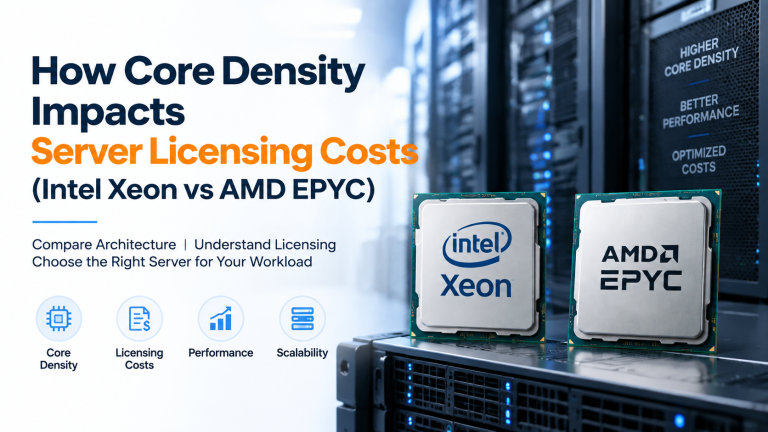
How Core Density Impacts Server Licensing Costs (Intel Xeon vs AMD EPYC)
⚡ Quick Answer: Core Density and Server Software Licensing Costs Modern enterprise server software (including Windows Server, VMware ESXi, and Microsoft SQL Server) licenses on…
-
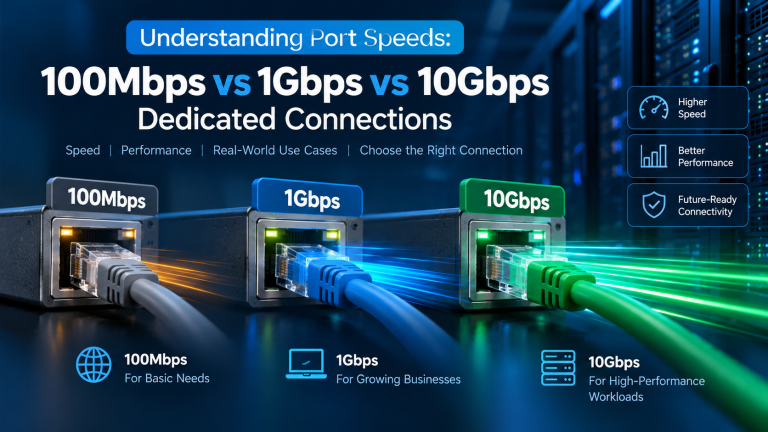
Understanding Port Speeds: 100Mbps vs 1Gbps vs 10Gbps Dedicated Connections
⚡ Quick Answer: Choosing Port Speeds: 100Mbps vs 1Gbps vs 10Gbps Port speed defines the maximum data transfer throughput between your server and the internet:…